



Predictions & Insights
Confidence-scored signals, not speculation. 30 years of GTA data tracked and applied to what GTA VI's economy will look like.


GTA VI's confirmed $79.99 launch price is 11.9% cheaper in real 2026 terms than GTA III ($90.75) in 2026 dollars. CPI-U adjusted comparison: GTA III ($49.99 in 2001 = $90.75 in 2026), GTA VC ($89.34), GTA SA ($85.08), GTA IV ($89.58) all cost more in real terms than GTA VI's $79.99.
CPI-U adjusted price comparison — US Bureau of Labor Statistics + official Rockstar/Take-Two pricing
GTA Online's endgame cost via Shark Cards grew from ~$18.75 (2013) to ~$437.50 (2026) — a 23× increase over 13 years. GTA VI Online starts with a reset baseline but inherits the same structural incentive to expand the aspirational item stack. The $600–$900 range assumes a 30–100% premium over GTA Online's current endgame.
economic-model
Trailer evidence confirms clubs and heists in Vice City; farms and smuggling operations in Leonida. The dual-territory diagram explicitly labels these. Region-specific business types would produce natural wage and passive income divergence.
economic-model
Weekly bonus events are the primary live-service engagement loop in GTA Online, operating continuously since 2017. Take-Two earnings reports consistently cite live events as a key monetisation driver. The weekly event cadence is a structural feature of the MMT sovereign model.
economic-model

Take-Two's revenue model cannot sustain a 6-month GTA Online delay (as occurred with GTA V in 2013). Shark Card revenue is the primary live-service income stream. Each month of delay costs Take-Two significant recurring revenue at the highest-demand period in franchise history.
economic-model

Franchise-wide pattern: savings never compound in any GTA title. Maze Bank in GTA Online is explicitly decorative (no credit). No title has ever introduced a loan or credit mechanic — introducing one would fundamentally alter the Shark Card revenue model by reducing SC purchase urgency.
economic-model
Pre-order listings across multiple retailers (Best Buy, Amazon) show $79.99. No official Rockstar pricing announcement yet.
Retailer pre-order price consensus + CPI-adjusted franchise pricing trend
GTA V established per-character financial independence (Michael, Trevor, Franklin each hold separate balances). Two protagonists in GTA VI naturally extends this — particularly relevant for a dual-territory model where each character may operate primarily in one region.
economic-model
268 vehicles already indexed from trailers and community. GTA V had 737 at launch. Franchise trend and confirmed vehicle diversity suggest comparable count.
Indexed vehicle count extrapolation × franchise launch-to-total ratio
GTA Online has delivered a major payout nerf within 6–18 months of every high-yield activity launch since 2015. Structural incentive: high yields suppress Shark Card sales. The question is not if GTA VI nerfs occur, but when.
economic-model
Take-Two's live-service strategy and the dual-territory diagram explicitly lists mobile-linked persistence. Rockstar's iFruit app precedent (GTA Online) and the broader trend toward companion apps in AAA live-service games makes this a logical evolution.
economic-model

Officially confirmed by Rockstar Games on March 27, 2026. Take-Two earnings call Feb 12, 2026 also cited Nov 19.
Official announcement cross-referenced with SEC EDGAR 8-K filing
GTA Online launched at ~$250K/hr in 2013 and reached $2M/hr (Cayo Perico, 2020) before nerfs. The 8× yield growth over 7 years reflects both inflation and content scaling. GTA VI Online inherits the MMT sovereign model at a structurally higher yield floor. Historical nerf cadence suggests yields above $5M/hr are politically unsustainable for Rockstar's Shark Card model.
economic-model
GTA Online's Megalodon Shark Card has been $99.99 since 2013. CPI adjustment to 2026 (~35% inflation) implies a real-terms equivalent of ~$135, suggesting a nominal increase is economically justified. Take-Two has historically kept nominal prices flat while engineering real-terms inflation via payout nerfs. A price increase at the launch of a new title would be the cleanest reset point.
economic-model

Extrapolated from trailer landscape analysis and community mapping of confirmed regions. GTA V was 75km². 17 confirmed regions imply significant expansion.
Region count extrapolation × GTA V region density ratio + trailer frame analysis
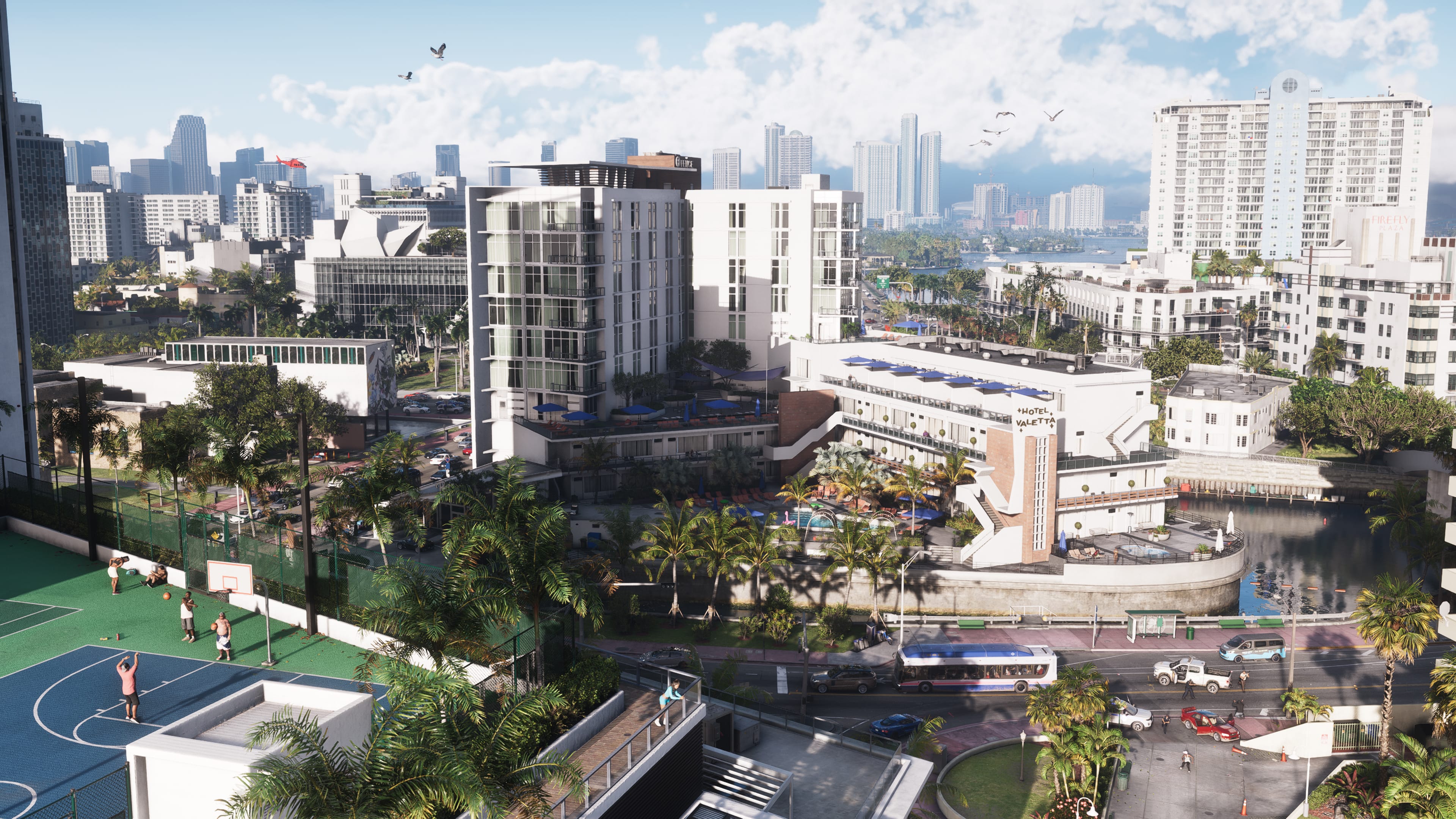
Dual-territory Eurozone analogy — two structurally different regions sharing one currency (GTA$) historically produce purchasing power divergence. Urban density correlates with higher prices across GTA franchise history.
economic-model
Take-Two's recurring revenue dependency makes Shark Cards non-negotiable. Regional denominations or tiered access are the natural extension of the dual-territory model — mirroring real-world mobile game regional pricing strategies.
economic-model
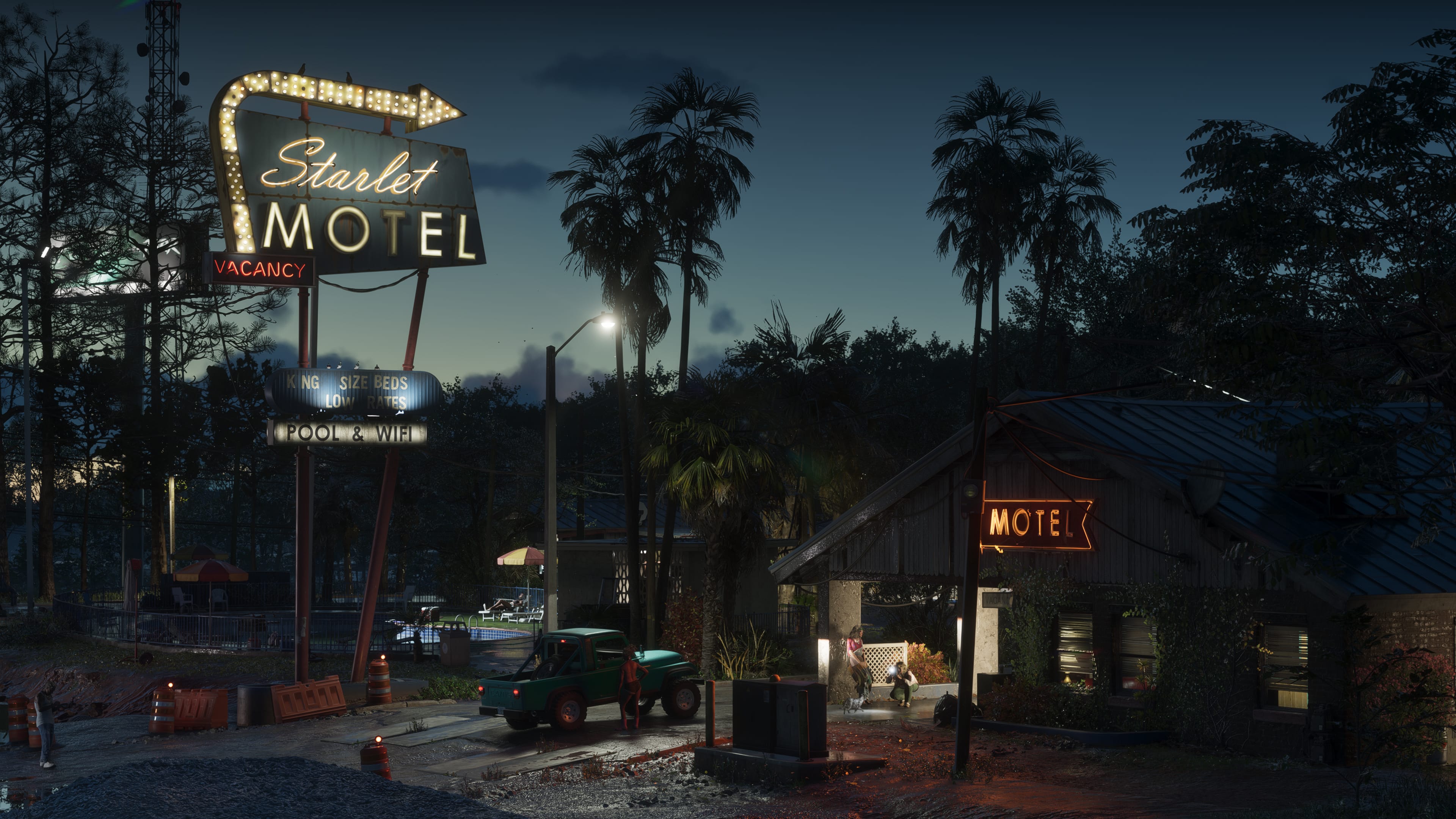
If regional price differentials exist, a single GTA-PPI index will understate inflation for one region. The GTA-RPP — basket cost ÷ top hourly yield, computed per territory — is the essential post-launch metric for this site.
economic-model


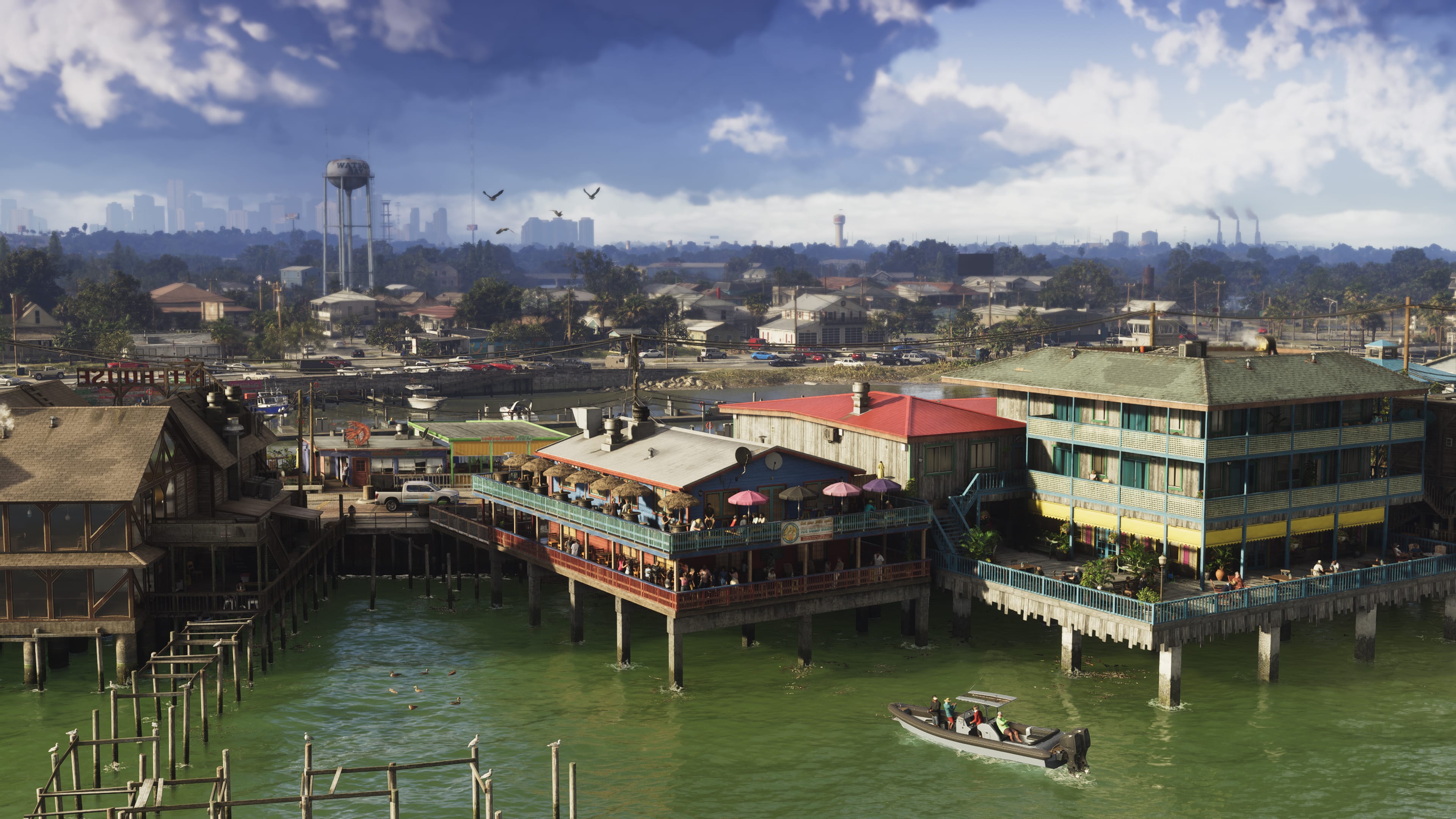

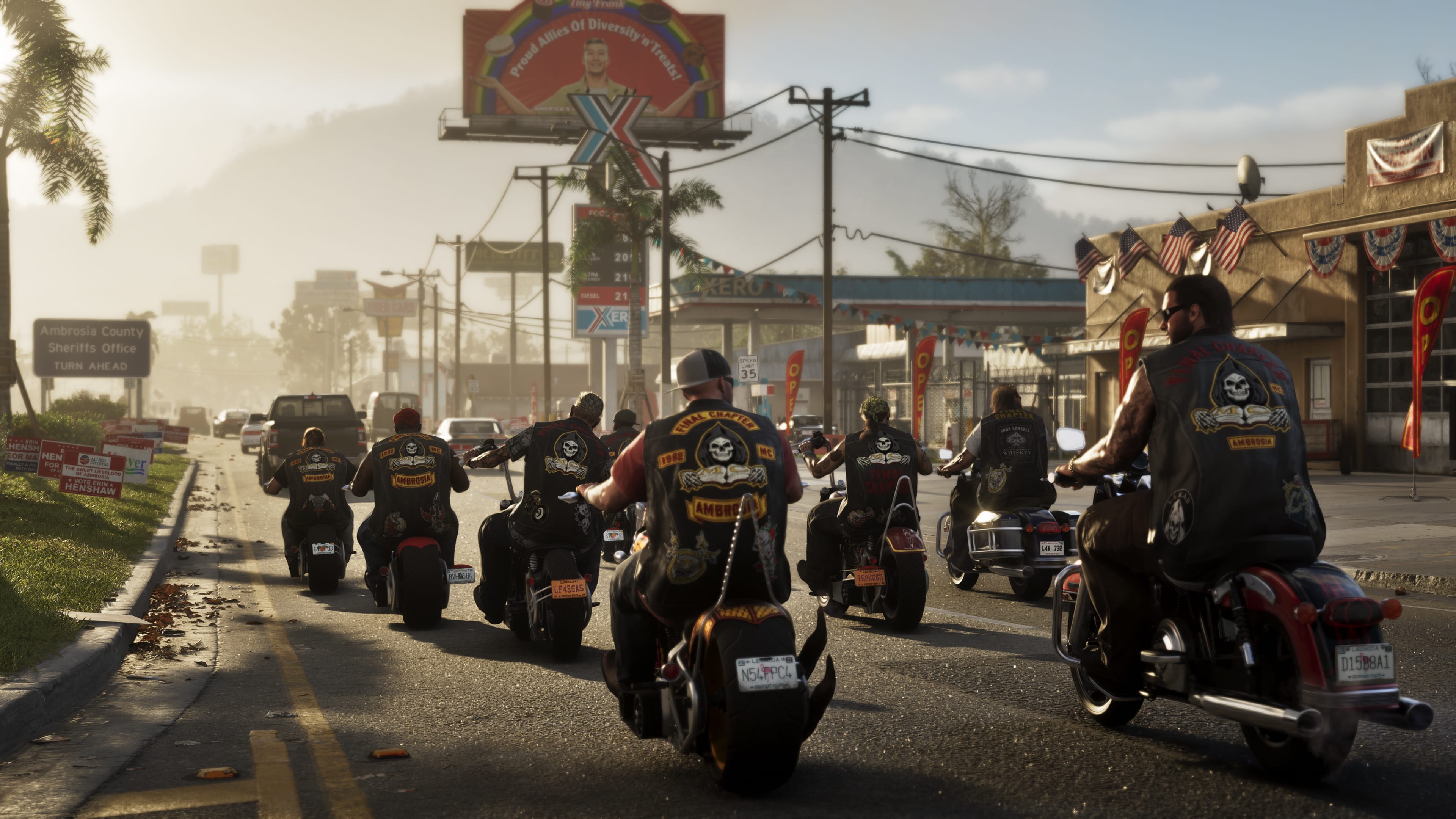














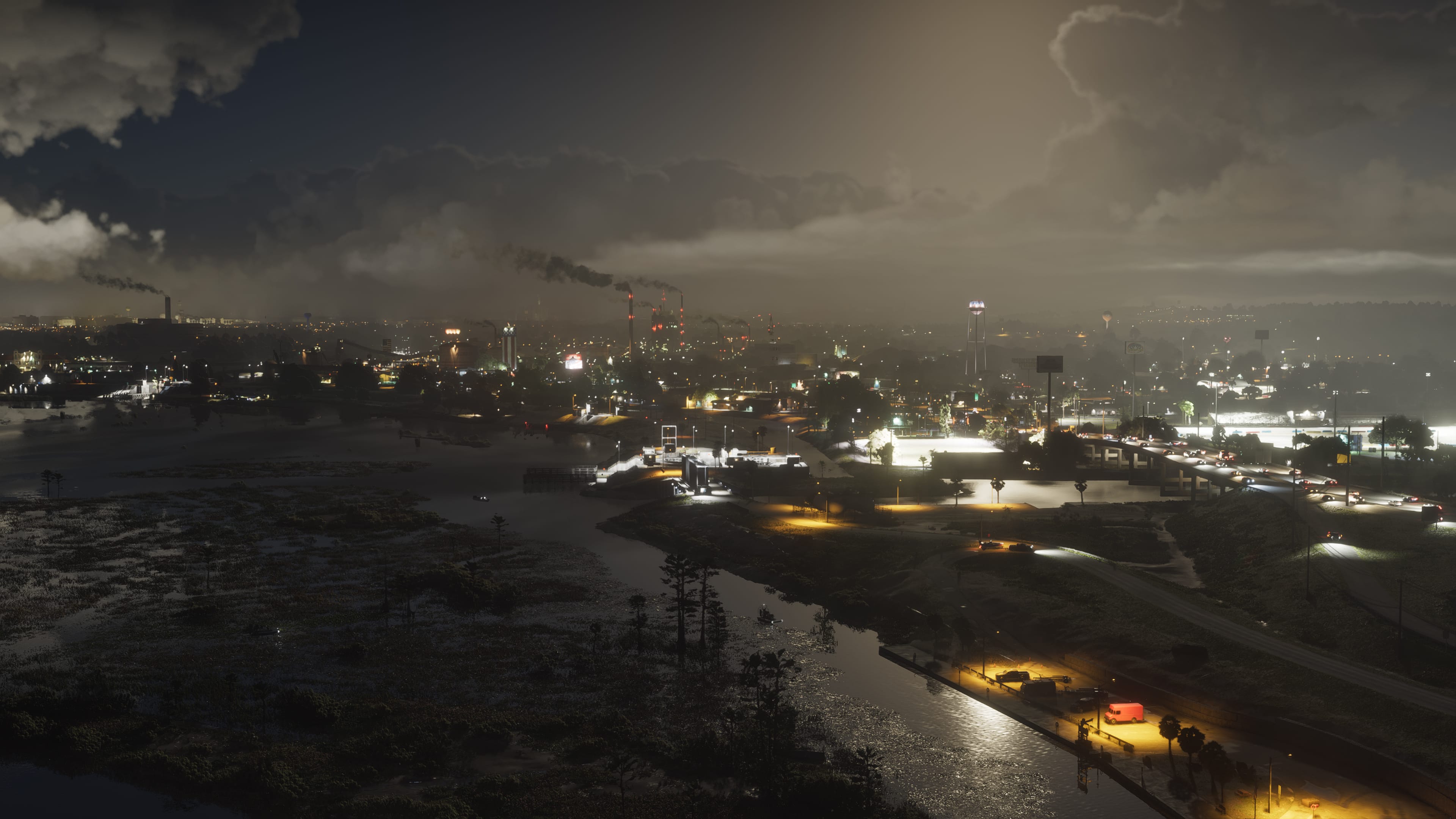



Vice City, Port Gellhorn, Leonida Keys, Ambrosia, Mount Kalaga, Kelly County, Grassrivers confirmed by Rockstar.

341 indexed across confirmed/reported/rumoured. GTA V had 737 at launch; VI expected to match or exceed.
Jason Duval, Lucia Caminos and 6 supporting cast confirmed by Rockstar in Trailer 2.

Pistol, Assault Rifle and 6 others clearly seen in trailer footage.
192 businesses indexed from wiki. Malibu Club, Port Gellhorn Marina confirmed officially.
124 activities indexed. Street racing, swimming, hunting, boating visible in trailers.
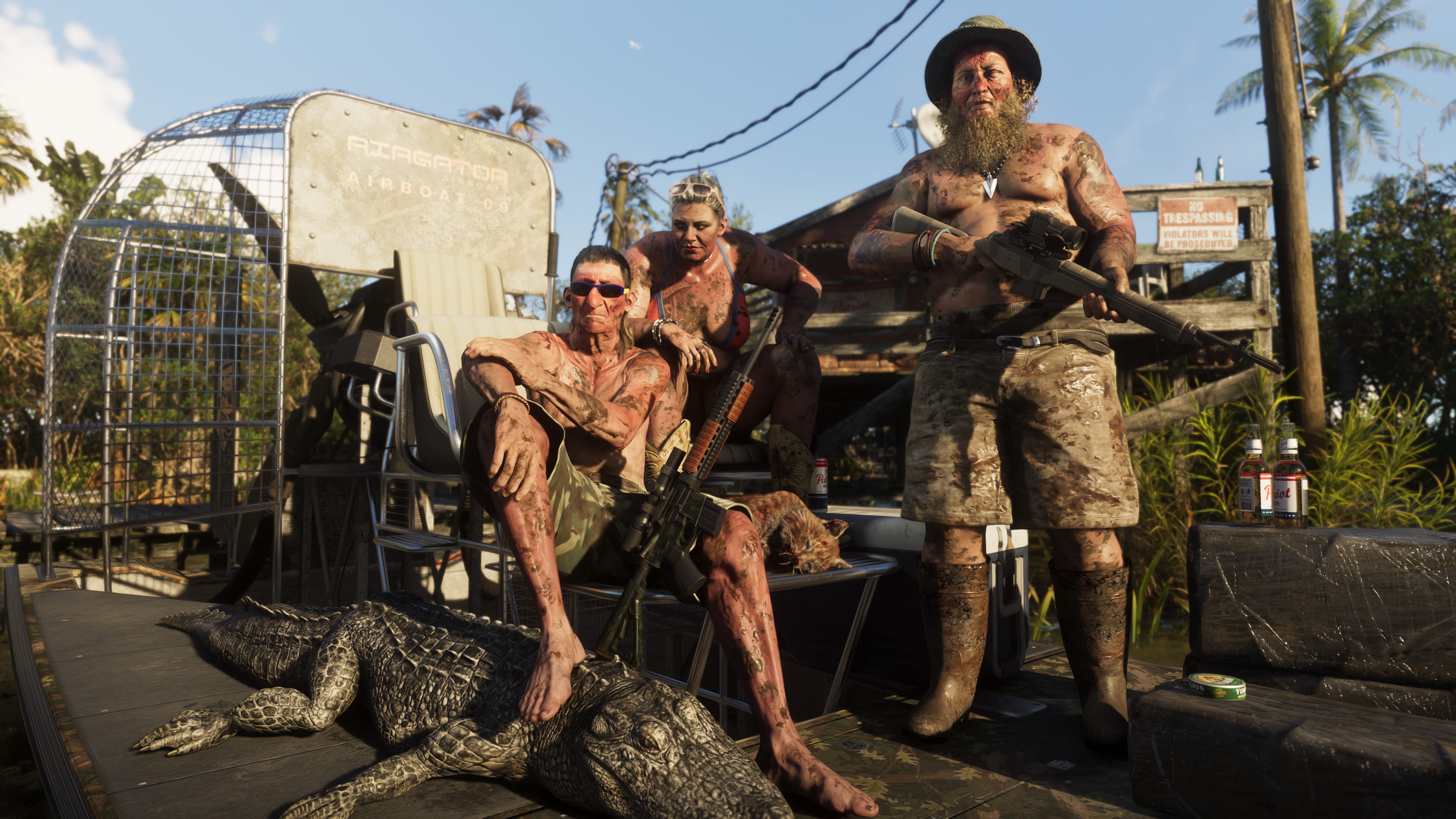
Alligator, Hammerhead Shark, Florida Panther, Flamingo, Pelican confirmed in official footage.
No official GTA VI Online details announced. Expected based on GTA V Online precedent.